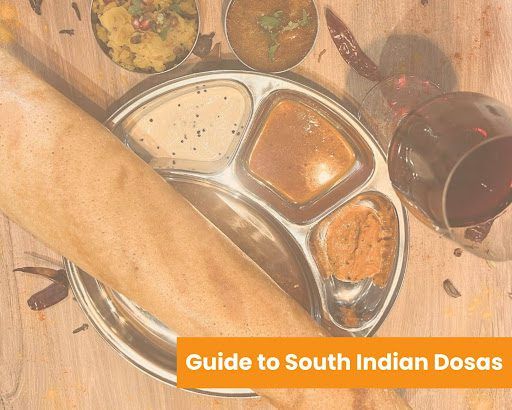
Forget everything you think you know about Indian food. Dosa might just be the most underrated dish on the planet.
It is crispy, light, and packed with flavour. It is naturally vegan-friendly. It is street food and restaurant food all at once. And right now, it is quietly becoming one of the most talked-about dishes across the UK.
Whether you have never tried a dosa before or you are already a fan looking to explore more, this guide covers everything. You will learn what a dosa actually is, which types are worth trying, and how to find a great one right here in Manchester.
A dosa is a thin, crispy crepe made from a fermented batter of rice and split black lentils (urad dal). It originates from South India, where it has been a breakfast staple for centuries.
The fermentation process gives dosa its signature slightly tangy flavour. The texture is crispy on the outside and soft in the middle. Think of it like the Indian answer to a French crepe, but with a lot more personality.
Dosas are almost always served with two accompaniments:
Together, they create a balance of textures and flavours that is genuinely hard to beat. And that’s the reason why it is one of the comfort indian food.
This is one of the most searched questions about dosa, and for good reason. The UK has one of the fastest-growing vegan communities in the world, and people want to know what they can actually eat.
Here is the honest breakdown.
Yes, absolutely. The base batter (rice and lentils) is completely plant-based. No eggs, no dairy, no animal products of any kind. Plain dosa is naturally vegan.
In most cases, yes. The classic masala filling is a spiced potato mixture made with onions, mustard seeds, turmeric, and green chillies. It is hearty, warming, and totally plant-based.
That said, some restaurants add a small knob of butter to the dosa while cooking. It is always worth asking.
A few dosa varieties do contain dairy:
These are delicious options, but they are not suitable if you are avoiding dairy.
Always ask whether the dosa is cooked on a shared griddle that uses ghee or butter. Some restaurants use ghee across the board, even for plain dosas. A quick question to your server is all it takes.
The dosa world is bigger than most people realise. Here are the ones worth knowing about.
This is the one that started it all. A golden, crispy dosa folded around a spiced potato filling. It is comforting, satisfying, and deeply flavourful. If you are trying dosa for the first time, start here.
Do not let the name fool you. A well-made plain dosa, served with good sambar and chutneys, is an experience in itself. The focus here is entirely on texture. You want it thin, crispy, and golden at the edges.
Mysore dosa comes with a layer of spiced red chutney spread inside before folding. It adds heat and depth, making it a firm favourite for anyone who likes things a little bolder.
This is where tradition meets modern creativity. Chilli cheese dosa is filled with a spiced, melted cheese mixture, sometimes with green chillies, peppers, or even a hint of Indo-Chinese seasoning. It is indulgent, crowd-pleasing, and a brilliant gateway for those new to dosa. Note: this one is not vegan.
Paneer dosa swaps the potato filling for crumbled or cubed paneer (Indian cottage cheese), usually cooked with spices and sometimes peppers. It is protein-rich and satisfying. Great if you want something a bit more substantial.
Check our menu to order Dosa from us
Even beyond being naturally dairy-free, dosa has a lot going for it from a plant-based perspective.
For vegans eating out in the UK, dosa is one of the most satisfying and filling options available. It does not feel like a compromise at all.
Not sure whether to go classic or creative? Here is a simple way to think about it.
Traditional dosas stick to the recipes that have been passed down for generations. Masala, plain, and Mysore dosas all fall into this category. The focus is on balance: the tang of the batter, the warmth of the spices, the freshness of the chutneys.
Fusion dosas take the same crispy base and get creative with the fillings. Chilli cheese dosa is a great example. It borrows from Indo-Chinese flavour profiles and adds a modern, street-food energy. These are fun, bold, and tend to be a hit with first-timers.
Neither is better than the other. It just depends on your mood and your taste buds.
If you have never ordered a dosa before, here is what the experience looks like.
Dosas are large, often the size of the plate and then some. Do not be surprised when it arrives folded or rolled, sometimes overhanging the edges of the dish entirely.
It will come with small bowls of sambar and chutney on the side. The idea is to dip and eat as you go, alternating between the two. Some people use cutlery; others prefer to tear and dip with their hands. Both are completely fine.
The most important thing? Eat it fresh. Dosa loses its crispiness as it sits, so dig in straight away.
Manchester has a genuinely brilliant South Asian food scene, but not every restaurant gives dosa the attention it deserves.
When you are looking for a great dosa, here is what to look for. The batter should be properly fermented, giving the dosa that subtle tanginess. The surface should be evenly golden and crisp, not pale or soggy. The accompaniments (sambar and chutney) should be freshly made, not reheated from a jar.
If you are in Didsbury and want to try something special, Durbar Square on Barlow Moor Road is well worth a visit. Led by Chef Hom Nath, who brings over 13 years of experience in Indian and Nepalese cuisine, the kitchen takes real pride in its South Indian dishes. The menu includes clearly marked vegan options, and the team is happy to help with any dietary questions. Whether you are after a classic masala dosa or something with a fusion twist, it is a great spot to explore the full range.
Dosa is one of those dishes that just works. It is light but filling. It is simple but packed with flavour. And it suits a huge range of diets, from fully vegan to cheese-loving fusion fans.
If you have only ever had a masala dosa, try a Mysore next time. If you have never had a dosa at all, start with the classic and work your way through the menu. You might just find your new favourite dish.
Usually yes. The potato filling is plant-based, but it is worth asking if the dosa is cooked with ghee or butter.
Dosa is made from a fermented batter of rice and split black lentils. The batter is spread thin on a hot griddle and cooked until crispy.
Yes, traditional dosa is naturally gluten-free as it contains no wheat. Always confirm with the restaurant to be safe.
Dosa is crispy and light with a subtle tangy flavour from fermentation. The taste varies depending on the filling and accompaniments.
Durbar Square in Didsbury, Manchester, serves South Indian dishes including dosa, alongside a wide range of Indian and Nepalese cuisine.
