
You walk into your kitchen, and within minutes, the most incredible smell fills your home. It’s warm, spicy, and makes everyone rush to see what’s cooking. That’s the magic of a proper biryani recipe.
Here’s the thing – making perfect biryani isn’t rocket science. Yes, you’ve probably heard it’s tricky. Maybe you’ve tried before and it didn’t turn out right. But what if we told you that with the right steps, you could master this easy biryani recipe today?
In this Durbar Square’s guide, you’ll learn how to cook the perfect chicken biryani recipe at home. From choosing the right rice to the final serving, every step is explained simply, so you can master this royal dish with confidence.
Not all biryanis are the same. Think of biryani like pizza – everyone makes it differently, but the basics stay the same. Let’s look at the main types you should know about.
The dum method is the traditional way. You layer everything and seal the pot. Then cook on low heat. This traps steam and cooks everything perfectly.
Layering means putting rice and meat in separate layers. Each layer gets its own spices and garnish.
One-pot cooking is quicker but less traditional. Everything cooks together from the start. It’s easier but doesn’t give the same layered taste.

Getting the right ingredients for biryani is half the battle. Don’t worry – you don’t need anything fancy. Most items are available at your local supermarket or Indian grocery store.
Rice is non-negotiable. It’s long, thin, and smells amazing when cooked. Look for aged rice- it’s worth the extra cost.
Let the rice soak for 30 minutes before you cook it. This helps it cook evenly and prevents breaking. The grains should be separate, not mushy.
For parboiling, use lots of water with whole spices. Cook until 70% done. The rice will finish cooking during the dum process.
Chicken works best for beginners. Use pieces with bones – they add more flavour. Thighs and drumsticks are perfect.
Mutton takes longer to cook but tastes incredible. If you’re using mutton, increase the cooking time.
For vegetarian options, try paneer, mixed vegetables, or boiled eggs. The method stays the same.
Whole spices include bay leaves, green cardamom, black cardamom, cinnamon, and cloves. These go into the rice water and create the base flavour.
Ground spices like turmeric, red chilli powder, and coriander powder go into the meat marinade.
Saffron is the star ingredient. Soak it in warm milk for the best colour and aroma. Mint leaves and fried onions complete the magic.
Yoghurt tenderises the meat and adds tanginess. Use thick, Greek-style yoghurt for best results.
Ghee gives an authentic flavour, but you can use oil if preferred. Fresh herbs like mint and coriander are essential for that restaurant taste.
You don’t need fancy equipment to make great biryani. A few basic tools will do the job perfectly.
Heavy-bottomed pot is crucial. It distributes heat evenly and prevents burning. A Dutch oven or thick-bottomed saucepan works well.
If you don’t have a heavy pot, use a heat diffuser under a regular pan. This spreads the heat and prevents hot spots.
You’ll need a large mixing bowl for marinating, a fine sieve for rice, and aluminium foil for sealing. A wooden spoon helps with gentle layering.
Set up your workspace before you start. Have all ingredients measured and ready. Biryani moves quickly once you begin the assembly process.
Keep your cooktop clear. You’ll be moving between different burners and need space to work comfortably.
Further Read: Our Famous Momo Recipe (Dumpling)
Now for the main event – how to make chicken biryani that’ll knock your socks off. Follow these steps exactly, and you’ll get perfect results every time.
The magic starts when you marinate the chicken. Mix 500g chicken pieces with 1 cup thick yoghurt, 1 tsp ginger-garlic paste, 1/2 tsp turmeric, 1 tsp red chilli powder, and salt.
Let it marinate for at least 30 minutes. Longer is better – up to 4 hours in the fridge. The acid in yoghurt breaks down tough fibres.
Rice preparation happens alongside marinating. Soak two cups of rice for thirty minutes in water. This prevents the grains from breaking during cooking.
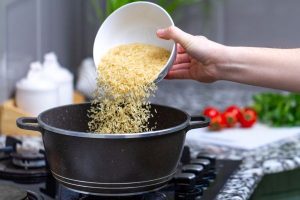
Start the water boiling in a large pot. Add whole spices – 4 green cardamom, 2 bay leaves, 1 cinnamon stick, 4 cloves. Add salt generously. The water should taste like mild soup.
Creating the base starts with making birista (fried onions). Slice 2 large onions thinly and deep fry until golden brown. This adds sweetness and colour.
Cook the marinated chicken in 2 tbsp ghee until 80% done. It should be slightly pink inside. Don’t overcook – it finishes during dum.
Rice cooking is critical. Add soaked rice to boiling spiced water. Cook until 70% done – it should still have a slight bite. Drain immediately.
First layer is half the rice spread evenly in your heavy-bottomed pot. Sprinkle half the fried onions and some mint leaves.
Second layer is all the chicken spread evenly. Add remaining mint, coriander leaves, and fried onions.
Final layer is the remaining rice. Top with saffron soaked in warm milk, dots of ghee, and remaining herbs.
Recommended Reading: Best Indian Food in Manchester: Top Dishes You Can’t Miss
Want to cook like a professional chef? These insider secrets will take your biryani recipe from good to absolutely incredible.
Saffron secrets: Never add dry saffron directly. Always soak in warm milk for 15 minutes. This releases maximum colour and aroma.
Perfect rice ratio: Use 1:1.5 ratio of rice to water for soaking. For cooking, use lots of water like for pasta. This prevents sticking.
Temperature control: Start high to create steam, then go very low. Spread the heat around if your stove gets too hot.
Layering perfection: Never mix the layers. Each should be distinct. This creates a beautiful presentation when you serve.
Common mistakes: Don’t over-marinate (makes meat mushy), don’t overcook rice (makes it sticky), don’t rush the dum process (patience creates perfection), and don’t open the lid during cooking (breaks the steam seal).
Great biryani deserves great presentation. Here’s how to serve it like a pro restaurant.
Traditional serving means bringing the whole pot to the table. Mix gently just before serving to distribute all layers. Serve on warm plates.
Garnishing makes all the difference. Top with fresh mint, coriander, fried onions, and boiled egg halves. A sprinkle of pomegranate seeds adds colour.
Perfect accompaniments complete the meal. Serve with cooling raita (yoghurt with cucumber and mint), spicy pickle, thin shorba (clear soup), and finish with kulfi or rice pudding.
Serve immediately while hot. Biryani tastes best fresh from the pot when all the aromas are still dancing together.

One biryani recipe can become many different meals. Here’s how to adapt it for everyone.
Vegetable biryani uses mixed vegetables instead of chicken. Try cauliflower, carrots, peas, and potatoes. Marinate them in yoghurt and spices just like meat.
Seafood versions work beautifully with prawns or fish. Reduce cooking time as seafood cooks faster than chicken.
Health-conscious changes include using brown rice (needs longer cooking), less ghee, more vegetables, and lean protein. The method stays the same, just adjust the timing.
Paneer biryani is perfect for vegetarians. Cut paneer into cubes and lightly fry before layering. It absorbs all the lovely flavours.
Even experienced cooks sometimes face problems. Here’s how to fix the most common biryani disasters.
Fixing undercooked rice: If you discover hard rice after opening the pot, don’t panic. Sprinkle 2-3 tablespoons of hot water over the top. Cover and return to low heat for 10-15 minutes. The rice won’t get mushy because of the steam.
Rescuing burnt biryani: Caught a burnt smell? Turn off the heat immediately. Don’t stir! Carefully transfer the top layers to a fresh pot, leaving the burnt bottom behind. Put a piece of bread on top to soak up any burnt taste that’s still there. Cover and let it sit for 10 minutes.
Balancing flavours: Too salty? Put in a peeled potato to soak up the extra salt, then take it out. Too spicy? Serve with extra raita and rice. Too bland? Make a quick tempering with ghee, cumin, and garam masala. Drizzle over individual servings.
Texture corrections: Mushy rice usually means overcooking. Next time, cook rice to only 70% doneness. Dry biryani needs more moisture – add warm milk mixed with saffron. Soggy biryani should be uncovered and cooked on high heat for 2-3 minutes to evaporate excess moisture.
Colour problems: Pale biryani lacks saffron or fried onions. Both add the signature golden colour. Always soak saffron properly and don’t skip the birista.
Remember, even professional chefs have off days. Each attempt teaches you something new about your stove, pot, and ingredients. Keep notes about what works best in your kitchen.
You’ve just learned everything you need to make a restaurant-quality biryani recipe at home. From selecting the perfect rice to mastering the dum technique, you now have all the secrets that we are using at Durbar Square.
Remember, great biryani isn’t about expensive ingredients or years of practice. It’s about following the right method and being patient with the process. Your first attempt might not be perfect, but it’ll definitely be delicious.
Start with this easy biryani recipe and make it your own. Try different spice combinations, experiment with vegetables, or adjust the heat level to suit your family’s taste.
The best part about cooking biryani? Seeing the looks on everyone’s faces light up when they smell it cooking. That’s the real reward for all your effort.
Ready to create some kitchen magic? Gather your ingredients and start cooking. The people you care about are about to find out that you’re a very good cook.
It tastes better with the bones in, but boneless chicken pieces are easier to use. Just make sure you don’t cook them too long, or they might get dry.
Yogurt helps tenderize the meat and adds tanginess. If you’re avoiding dairy, consider using a dairy-free yogurt alternative or a marinade with lemon juice and spices.
Increase the amount of green chilies in the marinade and add a bit more red chili powder. However, balance is key—ensure the spices enhance, not overpower, the dish’s flavours.
To avoid dryness, ensure the rice is not overcooked during the parboiling stage. For sogginess, avoid excessive moisture during the dum (steaming) process. Proper layering and sealing of the pot are crucial.
The secret ingredient is saffron. Soak it in warm milk before adding to the biryani to release its colour and aroma. It gives biryani that signature golden hue and a rich, fragrant flavour that sets it apart from other rice dishes.

